Woodstock, Georgia mixes small-town downtown character with fast-growing suburbs, and that range of homes brings a range of roof leak problems. The early 20th-century buildings in Downtown Woodstock, the lakeside homes near Lake Allatoona, and the newer subdivisions along Highway 92 all leak in their own ways. This guide covers how to spot a roof leak across Woodstock’s different home types and what the fix usually involves. Best Woodstock Roofer handles leak repair and maintenance for homes throughout Cherokee County.
Woodstock’s Diverse Roofing Landscape
Woodstock’s history and recent growth have left it with a wide mix of architectural styles, each with its own roofing needs:
Historic Downtown, Lakeside Living, and Modern Developments
- Historic Downtown: The Woodstock Downtown District features many early 20th-century buildings requiring specialized care.
- Lakeside Properties: Homes near Lake Allatoona face unique moisture and sun exposure challenges.
- Modern Subdivisions: Areas like Towne Lake showcase contemporary homes with complex roof designs.
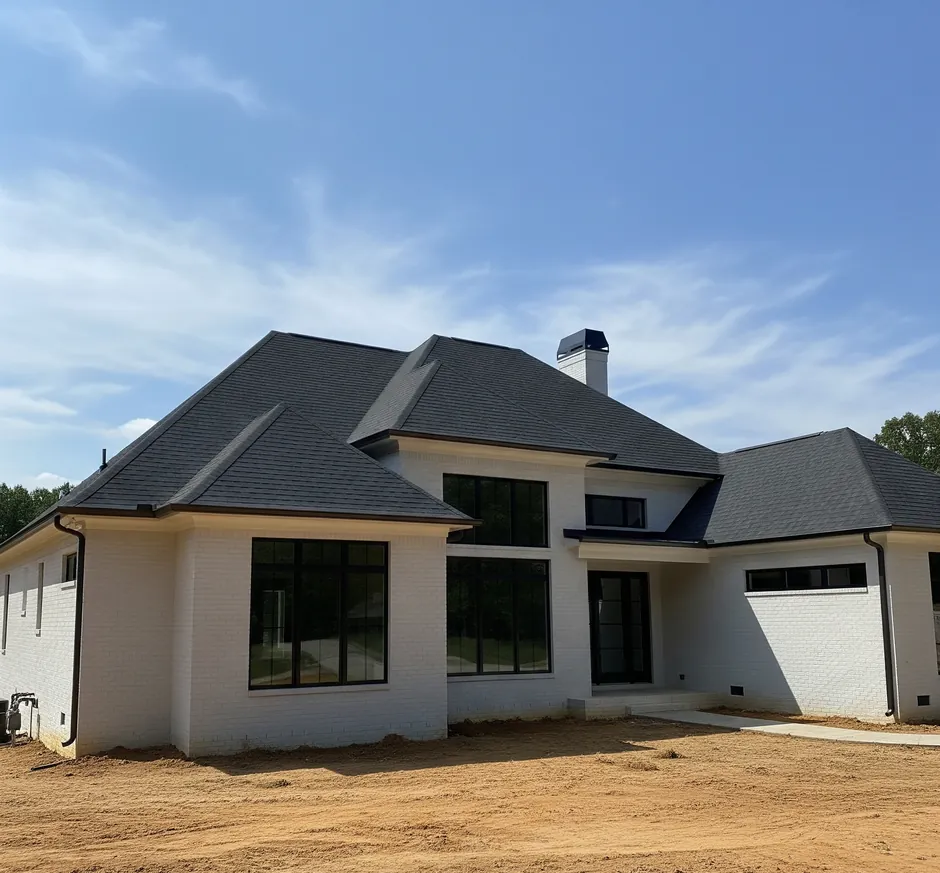 Figure 1: Infographic illustrating the diverse roof types found across Woodstock’s historic downtown, lakeside areas, and modern neighborhoods
Climate Considerations for Woodstock Roof Repairs
Woodstock’s climate plays a significant role in roof maintenance and repair:
- Humid Subtropical Climate: Hot, humid summers and mild winters can lead to algae growth and moisture-related issues.
- Lake Effect Weather: Proximity to Lake Allatoona can create localized weather patterns, including increased humidity and sudden storms.
- Urban Heat Island Effect: Downtown Woodstock may experience slightly higher temperatures, impacting roofing materials differently than outlying areas.
Understanding these factors is key to effective roof leak prevention and repair in Woodstock.
Common Causes of Roof Leaks in Woodstock Homes
- Age-related wear: Many homes in historic Woodstock have roofs nearing the end of their lifespan.
- Storm damage: Frequent thunderstorms, especially near the lake, can cause both immediate and cumulative damage.
- Poor ventilation: A common issue in older Woodstock homes and lakeside properties, leading to moisture buildup and eventual leaks.
- Flashing failures: Particularly problematic around Woodstock’s numerous brick chimneys and dormers in historic areas.
- Tree damage: Woodstock’s mature tree canopy, while beautiful, can lead to fallen branches and leaf accumulation.
[Link to Historic Home Maintenance in Woodstock]
Identifying Roof Leaks in Woodstock Properties
Be vigilant for these signs of roof leaks, which may manifest differently in historic, lakeside, and modern homes:
- Water stains on ceilings or walls, particularly in upper floors or attics
- Peeling paint or wallpaper, especially in older downtown Woodstock homes
- Musty odors in rarely used spaces, common in seasonal lakeside properties
- Visible mold or mildew growth, exacerbated by Woodstock’s proximity to Lake Allatoona
- Granules from asphalt shingles in gutters or downspouts, often more noticeable in newer subdivisions
Catching a leak early matters, especially in Woodstock’s older homes and lakeside properties where hidden damage spreads fast.
DIY Roof Leak Detection for Woodstock Homeowners
While many repairs require professional expertise, here are some steps Woodstock homeowners can take to detect leaks:
- Attic inspection: Check for water stains or mold growth after heavy rains, common in Woodstock’s frequent storms.
- Exterior visual check: Use binoculars to inspect your roof from the ground, looking for damaged or missing shingles.
- Gutter examination: Look for excessive granules or debris that might indicate roof wear.
- Interior wall and ceiling scan: Check for water stains, especially in upper floors and around chimneys or skylights.
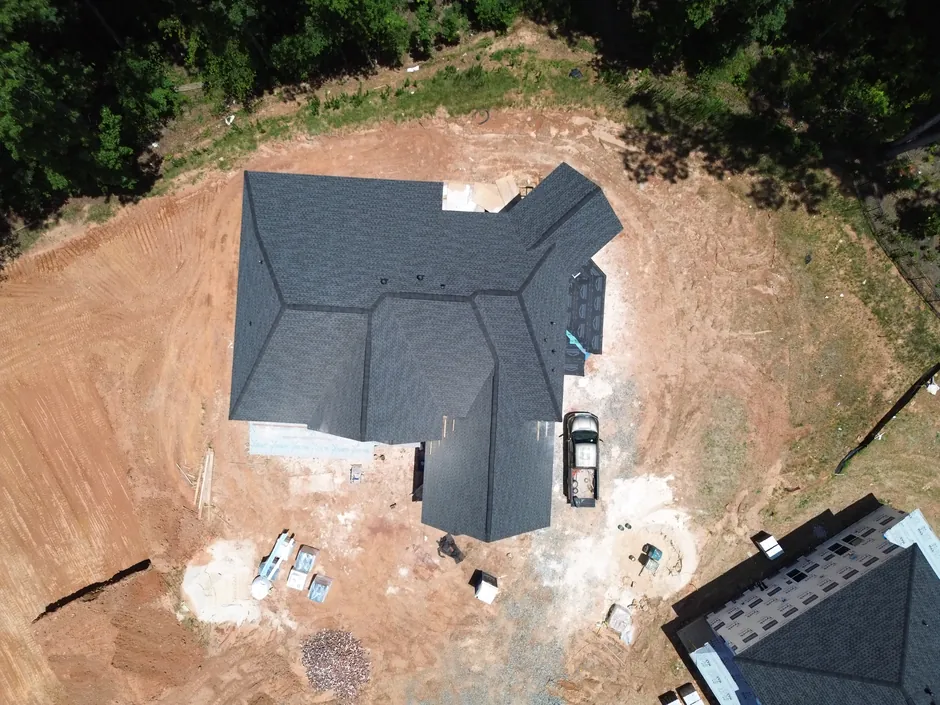 Figure 2: Step-by-step visual guide for Woodstock homeowners to safely detect potential roof leaks across different home types
Caution: For homes in Woodstock’s Historic District, lakeside properties, or those with steep pitches, leave close inspections to professionals.
When to Call a Woodstock Roofing Professional
Certain situations demand expert intervention:
- Leaks in homes within Woodstock’s Historic District
- Complex repairs involving multiple layers or unique architectural features
- Signs of structural damage or sagging, especially in older downtown buildings
- Persistent leaks in lakeside homes that may indicate more serious water intrusion issues
- Any repair on homes with specialty materials like slate, tile, or metal roofing
[Link to Choosing a Woodstock Roofing Contractor]
Roof Leak Repair Solutions for Woodstock Homes
The appropriate repair method depends on your home’s location, style, and the nature of the leak:
| Home Type | Common Issues | Recommended Solutions |
|---|---|---|
| Historic Downtown | Slate or metal roof damage | Custom material matching, preservation-minded repairs |
| Lakeside Property | Moisture buildup, sun damage | Enhanced ventilation systems, UV-resistant materials |
| Modern Subdivision | Complex valley leaks | Precision flashing techniques, water diversion systems |
Woodstock-Specific Roof Repair Regulations
Woodstock’s building codes and historic preservation guidelines matter before you start a project:
-
Historic District Regulations: Any exterior changes to homes in Woodstock’s Historic District require approval from the Historic Preservation Commission.
- Materials must be consistent with the building’s original design and the character of the district.
- The commission meets monthly to review proposed changes.
-
Building Permits: Woodstock requires permits for roof replacements and significant repairs.
- As of 2024, permits can be applied for online through the City of Woodstock’s website or in person at the Community Development Department.
- Expedited reviews are available for storm damage repairs.
-
Environmental Considerations: Woodstock emphasizes environmental stewardship, particularly around Lake Allatoona.
- Roofing projects must adhere to strict runoff and erosion control measures, especially for lakeside properties.
- The city offers incentives for using eco-friendly roofing materials and practices.
-
Homeowners Associations: Many of Woodstock’s newer subdivisions have specific HOA guidelines for roofing materials and colors.
- For example, the Towne Lake community requires architectural shingles in earth-tone colors.
Always consult with the Woodstock Community Development Department and, if applicable, the Historic Preservation Commission or your HOA before starting any roofing project.
Preventing Roof Leaks in Woodstock’s Varied Climate
Proactive maintenance is key to avoiding costly repairs:
- Regular inspections: Schedule bi-annual roof check-ups, ideally in spring and fall, to account for Woodstock’s seasonal changes.
- Gutter maintenance: Clean gutters frequently, especially in Woodstock’s leafy neighborhoods and near Lake Allatoona.
- Proper ventilation: Ensure attics are well-ventilated to combat Woodstock’s humidity, particularly in lakeside homes.
- Tree management: Regularly trim overhanging branches, especially in Woodstock’s established neighborhoods with mature trees.
- Algae prevention: Use algae-resistant roofing materials or treatments, particularly important for homes in shaded or lakeside areas.
Matching the Repair to the Home
Woodstock’s roofing needs vary as much as its neighborhoods. In the Downtown Woodstock historic district, repairs have to balance the building’s original look with modern performance. For homes near Lake Allatoona, controlling moisture is the priority. In the newer Highway 92 and Towne Lake subdivisions, the issues lean toward complex valleys and proper attic ventilation. The right fix depends on the home, which is why an inspection comes before any quote.
FAQ: Roof Leak Repair in Woodstock
Q: How do Woodstock’s historic preservation rules affect roof repairs in the downtown area? A: Homes in the Woodstock Historic District must adhere to guidelines that maintain historical accuracy. Always consult the Historic Preservation Commission before making changes, as they can guide you on appropriate materials and methods that preserve the area’s character.
Q: Are there any Woodstock-specific roofing materials recommended for lakeside homes? A: For homes near Lake Allatoona, algae-resistant shingles and materials with enhanced UV protection hold up best. Proper underlayment and attic ventilation also do a lot to fight the higher moisture levels near the lake.
Q: How often should I have my roof inspected in Woodstock? A: Given Woodstock’s varied climate influences, we recommend bi-annual inspections for most homes. Lakeside properties or homes in heavily wooded areas may benefit from quarterly check-ups to catch any issues early.
Preserving Woodstock’s Roofs for the Future
Roof leak repair in Woodstock is about more than patching a hole. It protects the character and structure of homes across a wide range of ages and styles. Whether you own a historic home in Downtown Woodstock, a place near Lake Allatoona, or a newer home in one of the Highway 92 subdivisions, knowing the local roofing challenges helps you act before a small leak becomes a big repair.
By staying alert, addressing problems early, and working with a roofer who knows Woodstock’s housing and weather, you keep your home protected for years. A well-maintained roof protects your property and adds to the look of the neighborhood at the same time.
Have you tackled a challenging roof repair on your Woodstock home? Share your experience in the comments below and help your neighbors preserve their piece of Woodstock history or modern luxury!
Wondering what this means for your budget? Get an instant roof estimate for Woodstock, priced from your home's actual roof size, or run a quick storm damage and insurance check.