Woodstock Roof Inspection
Woodstock’s unique blend of historic charm and rapid modern development presents distinct challenges in roof inspection. From century-old structures in the historic downtown to new developments along Highway 92, Woodstock’s diverse architectural landscape demands a nuanced approach to roof assessment. This technical guide offers property owners, managers, and inspectors detailed insights into inspection methodologies, local building codes, and specific challenges encountered in Woodstock’s evolving roofing environment.
Core Components of Woodstock Roof Inspections
A comprehensive roof inspection in Woodstock typically covers the following key areas:
-
Structural Integrity Evaluation
- Assessment of roof decking condition, particularly critical in Woodstock’s older structures
- Inspection of truss and rafter systems, with special attention to historic framing methods
- Evaluation of chimney structures, common in Woodstock’s older homes and buildings
-
Roofing Material Analysis
- Detailed examination of traditional materials like slate and wood shakes in historic districts
- Assessment of modern composite shingles prevalent in Woodstock’s newer subdivisions
- Evaluation of metal roofing systems, increasingly popular in Woodstock’s commercial areas
-
Water Intrusion Detection
- Utilization of advanced moisture mapping technology for non-invasive leak detection
- Inspection of flashing integrity, particularly around Woodstock’s numerous dormer windows
- Assessment of gutter and downspout systems, which matter a lot in Woodstock’s heavily wooded areas
-
Energy Efficiency Assessment
- Thermal imaging to evaluate insulation effectiveness, important for both historic and modern structures
- Analysis of ventilation systems, critical in Woodstock’s hot, humid climate
- Evaluation of radiant barrier installations in newer Woodstock homes
-
Environmental Impact and Durability Check
- Inspection for moss and algae growth, common in Woodstock’s shaded areas
- Assessment of UV damage, particularly on south-facing slopes
- Evaluation of wind and hail resistance, important due to Woodstock’s occasional severe weather
Advanced Inspection Techniques for Woodstock Properties
Woodstock roofers use several modern techniques on inspections:
-
Drone-Assisted Aerial Inspections
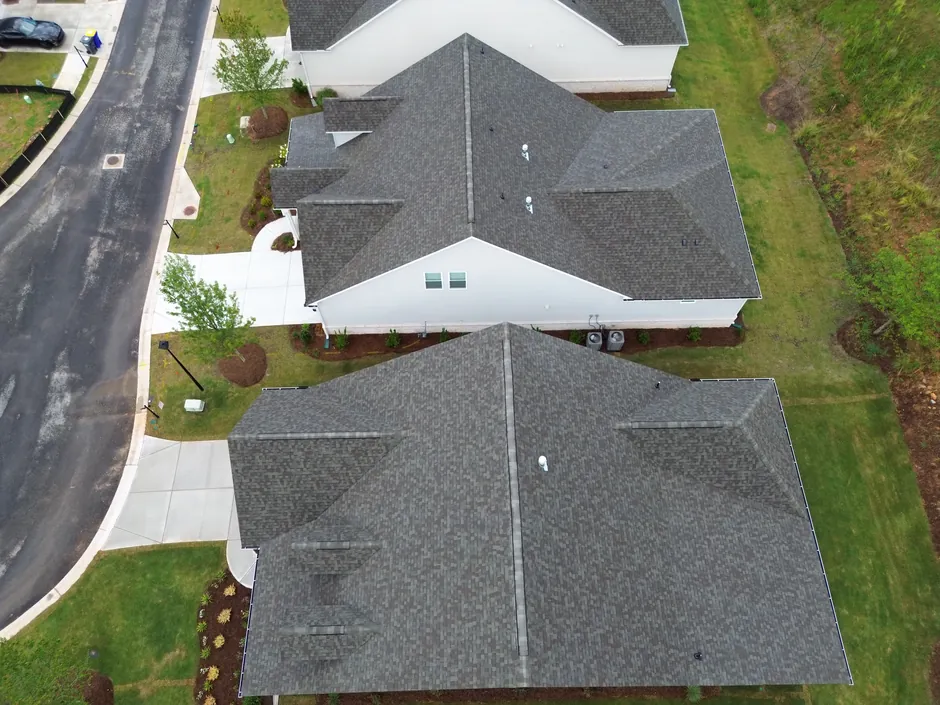
- High-resolution imagery for detailed visual analysis of hard-to-reach areas
- Thermal mapping to identify hot spots and potential insulation failures
- 3D modeling of complex roof structures, particularly useful for Woodstock’s historic buildings
-
Non-Destructive Testing (NDT) Methods
- Infrared thermography for detecting hidden moisture issues
- Ultrasonic pulse echo testing for assessing material thickness and integrity
- Electric field vector mapping (EFVM) for pinpointing leaks in flat commercial roofs
-
Digital Documentation and Analysis
- Use of mobile apps for real-time data collection and reporting
- Implementation of AI algorithms for pattern recognition in inspection imagery
- Cloud-based storage and sharing of inspection reports for easy access by stakeholders
 Figure 1: Advanced roof inspection techniques utilized in Woodstock, showcasing drone technology and infrared imaging applications
Woodstock-Specific Inspection Considerations
A good inspection in Woodstock accounts for a few local factors:
-
Historic District Homes
- Exterior changes to homes in the Downtown Woodstock historic district go through the city’s design-review process, so an inspector should note where preservation guidelines may shape a repair
- Non-invasive inspection methods that respect older materials
- Notes on the original roofing materials and how a repair would match them
-
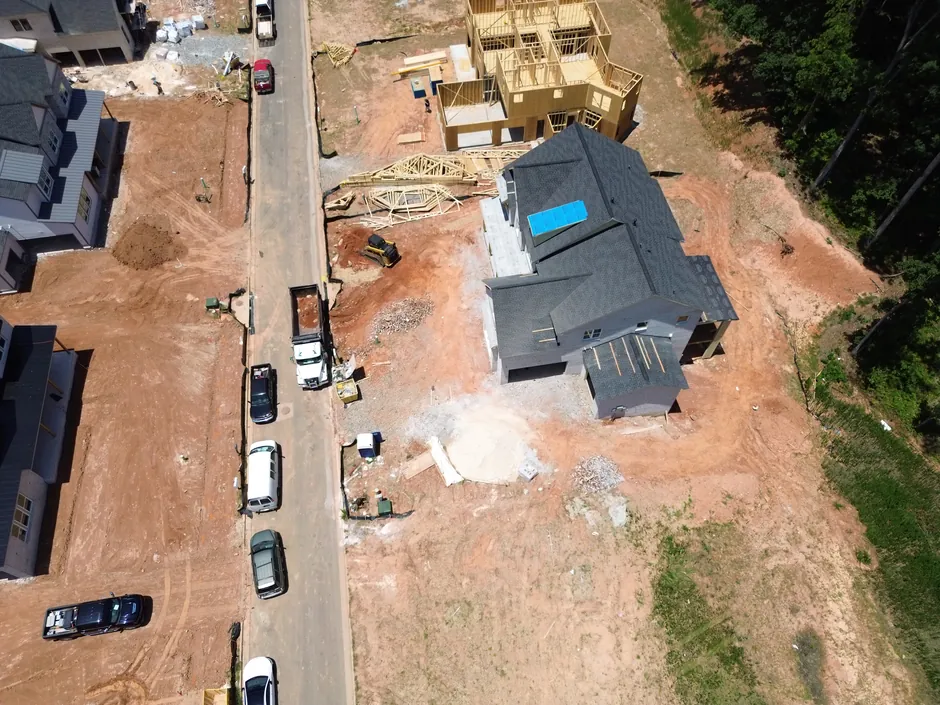
Newer Construction
- Checking that work meets the Georgia state minimum building code, which Cherokee County and the City of Woodstock enforce
- A look at how the roof and gutters handle stormwater on the lot
- On commercial buildings, attention to cool-roofing or reflective materials where they were specified
-
Environmental Factors
- Inspection for damage from Woodstock’s mature tree canopy
- Assessment of attic ventilation against the area’s high humidity
- Evaluation of whether the gutter system can handle Cherokee County’s heavy rainfall
-
Mixed-Use Buildings
- Evaluation of the different roofing systems that can appear on a single structure
- A look at any rooftop equipment or amenity spaces
- Inspection of any green-roof or planted sections
Permits, Licensing, and Good Practice
A few things are worth knowing before you schedule work in Woodstock:
-
How Often to Inspect
- Once a year is a sensible baseline for most homes, ideally in spring or fall
- After any major hail or wind event, get a post-storm inspection
- Commercial and historic buildings often benefit from more frequent checks
-
Licensing
- Roofing work in Georgia should be done by a qualified, insured contractor
- For historic-district homes, choose someone familiar with the city’s design-review expectations
- If a contractor uses a drone, FAA Part 107 rules apply to commercial drone operation
-
A Useful Report
- A written report with photos of anything found
- Clear, prioritized recommendations rather than a verbal summary
- An itemized estimate when work is needed, with no obligation
-
Permits
- The City of Woodstock requires permits for roof replacements and significant repairs; your contractor typically pulls these
- Documentation of the work helps with warranties and any future insurance claim
-
Historic Preservation
- For homes in the historic district, repairs and replacements should respect the Historic Preservation Commission’s guidelines
- Keeping a record of original roofing features is helpful for older homes
Preparing for a Roof Inspection in Woodstock
Property owners can take several steps to ensure a thorough and efficient inspection:
-
Documentation Gathering
- Compile all previous inspection reports, repair records, and original installation documentation
- For historic properties, gather any available historical records or previous preservation work documentation
- Prepare a log of any known issues or recent changes to the roof
-
Access Facilitation
- Ensure clear access to all roof areas, including any locked or restricted sections
- Trim overhanging branches that may impede inspection, especially in Woodstock’s heavily wooded areas
- Clear the area around the building to allow for proper placement of inspection equipment
-
Interior Preparation
- Provide access to attic spaces or upper floors for interior inspection components
- Remove or cover stored items in attic spaces to allow for thorough examination
- Inform occupants about the inspection to ensure cooperation and minimal disruption
-
Systems Coordination
- For commercial properties, coordinate with HVAC technicians to provide access to rooftop units
- Arrange for temporary deactivation of any solar panel systems for safe inspection
- Ensure security systems are notified to prevent false alarms during the inspection process
-
Post-Inspection Planning
- Schedule a detailed review session to discuss the inspection findings
- Prepare for potential follow-up assessments, especially if specialized testing is recommended
- Allocate resources for addressing any critical issues identified during the inspection
Preserving Woodstock’s Roofing Heritage While Embracing Modern Standards
Regular roof inspections keep Woodstock’s wide range of homes and buildings in good shape. Modern tools, local code knowledge, and a careful eye let a roofer catch small problems before they turn into expensive ones.
Whether you own an older home in downtown Woodstock, manage a commercial building, or just bought new construction off Highway 92, working with an experienced inspector who knows the area pays off. A regular professional inspection heads off costly damage and keeps your roof doing its job through every Cherokee County season.
Best Woodstock Roofer handles inspections and roofing work for homes across Woodstock and Cherokee County. Inspections and written estimates are free. Call (470) 777-7344 or schedule online.
Wondering what this means for your budget? Get an instant roof estimate for Woodstock, priced from your home's actual roof size, or run a quick storm damage and insurance check.